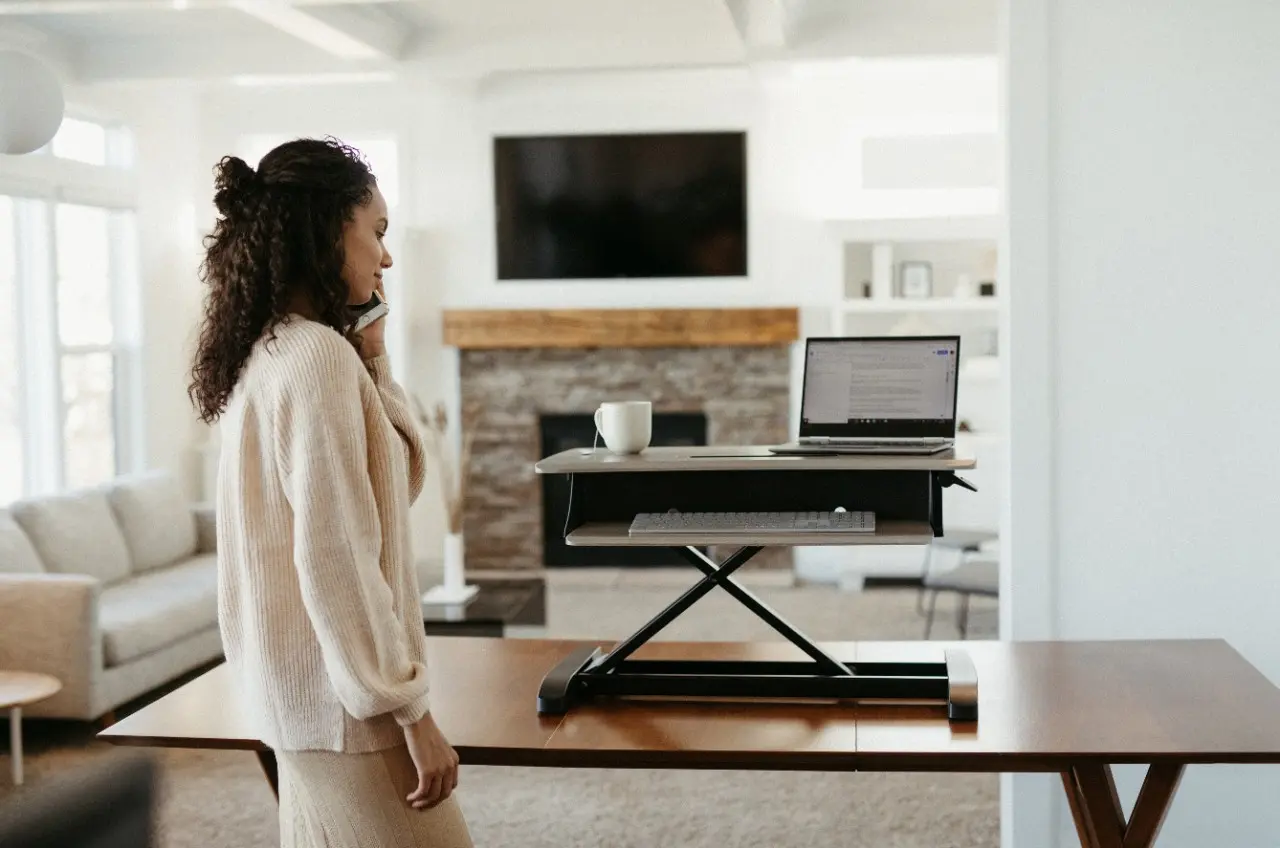
Let’s be honest. The lines between our living, sleeping, and working spaces have blurred into a kind of permanent haze. If your bedroom has suddenly become your office, your gym, and your sanctuary—all while feeling about the size of a postage stamp—you’re not alone. The rise of remote work and the practicalities of micro-living demand a new kind of room: one that doesn’t just serve multiple functions, but actually supports your well-being while it does.
Here’s the deal: creating a multi-functional bedroom isn’t just about shoving a desk in the corner. It’s a design puzzle. It’s about intentional choices that carve out distinct zones for distinct mindsets, all within the same four walls. Think of it like a Swiss Army knife for your home—compact, clever, and ready for anything.
The Core Philosophy: Zoning Without Walls
You can’t build actual walls, obviously. But you can create visual and psychological boundaries. This is the absolute cornerstone of a successful multi-functional bedroom design. The goal? To walk into your “sleep zone” and feel calm, then pivot to your “work zone” and feel focused, without ever leaving the room.
How do you do that? Well, it starts with a simple floor plan. Grab a piece of paper—seriously, just sketch it. Mark the bed, the windows, the door. Then, play a game of Tetris with your needs. Where does the natural light hit for a desk? Is there an under-used corner? Could the foot of the bed become… something else?
Defining Your Zones
Most micro-living bedrooms need at least three zones:
- The Sleep & Relax Zone: Centered around the bed, this area should be an electronics-minimal haven.
- The Work & Productivity Zone: A dedicated spot for deep focus, even if it’s tiny.
- The Living & Storage Zone: This is for everything else—clothes, hobbies, that yoga mat.
The magic happens in the transitions between them. A room divider, a different rug, even a change in lighting tone can signal to your brain, “Okay, work time is over.”
Smart Furniture: The Heroes of Small Spaces
This is where you get creative. Forget bulky, single-purpose items. The furniture in your multi-functional bedroom needs to earn its keep—every single day.
| Furniture Type | Multi-Functional Idea | Space Saved |
| Bed | Loft bed with desk underneath; storage bed with drawers | Creates an entire new floor’s worth of space |
| Desk | Wall-mounted fold-down desk; rolling cart desk | Clears the floor completely when not in use |
| Seating | Ottoman with storage inside; bench at bed’s end | Adds seating + hides clutter |
| Shelving | Room-height shelving units that act as room dividers | Defines zones + provides massive storage |
Honestly, a fold-down wall desk is a game-changer. It’s the physical act of putting work away—closing the laptop, folding the desk up—that truly helps you clock out mentally. And a storage bed? Non-negotiable in a micro-living setup. It swallows out-of-season clothes, extra bedding, you name it.
The Vertical Frontier
Look up. That empty wall space is your most valuable asset. Floating shelves, pegboards for supplies, even a mounted monitor arm that swings out of the way. Vertical storage keeps your precious floor space open, making the room feel larger and less cluttered—a key for mental clarity when you’re working and sleeping in the same spot.
The Invisible Architecture: Light, Color, and Air
Function isn’t just about furniture. It’s about atmosphere. The wrong light can make your work-from-home bedroom feel like a dreary cave or a sterile office, neither of which are great for sleep.
Layer your lighting. You need bright, focused task lighting for your desk (a good adjustable lamp). But for the sleep zone, warm, dimmable lights are essential. Smart bulbs that you can program for “work mode” (cool, bright white) and “wind-down mode” (warm, amber) are worth every penny. They do the zoning for you.
Color works similarly. You know, a cohesive palette is fine, but consider an accent wall behind your desk in a slightly more energizing tone, while keeping the bed area in calming, muted shades. It’s a subtle cue.
And air flow—crack a window! A small air purifier or a dedicated fan for your work corner can keep the air from feeling stale during long Zoom marathons.
Taming the Cable Beast and Other Practicalities
Nothing kills a serene multi-functional bedroom vibe faster than a rat’s nest of cables snaking from your desk. It’s visual chaos. Simple fixes:
- Use a cable management box or sleeve.
- Mount a power strip under the desk.
- Go wireless where you can (keyboard, mouse, headphones).
Also, think about noise. A pair of noise-cancelling headphones is a solid investment for focus. But also, a small white noise machine can help mask daytime sounds when you’re trying to work, or nighttime sounds when you’re trying to sleep. It’s a buffer for your brain.
The Human Element: Rituals and Boundaries
All the design in the world won’t help if you don’t set some personal rules. This is the hardest part, honestly. When your office is six feet from your bed, the temptation to check emails at midnight is real.
Create micro-rituals. A five-minute tidy of your desk at the end of the workday. Lighting a specific candle only when you’re relaxing. Changing your clothes after work—even if it’s just into different loungewear. These tiny actions signal a shift in mode. They tell your nervous system what time it is.
And give yourself permission for the room to be messy sometimes. It’s a living space. It’s a workspace. It’s going to have moments of chaos. The goal isn’t perfection; it’s functionality with a side of peace.
Wrapping It Up: A Room That Grows With You
Designing a bedroom for remote work and micro-living is an ongoing experiment. What works one month might need tweaking the next. The true measure of success? When the room feels less like a compromise and more like a curated capsule—a personal command center that adapts to your daily rhythm.
It’s about reclaiming a sense of control and calm in a small footprint. Because a room can be many things at once, sure, but it should always, first and foremost, feel like yours.